Mental Health: Meaning, Importance, Common Challenges and How to Take Care of It
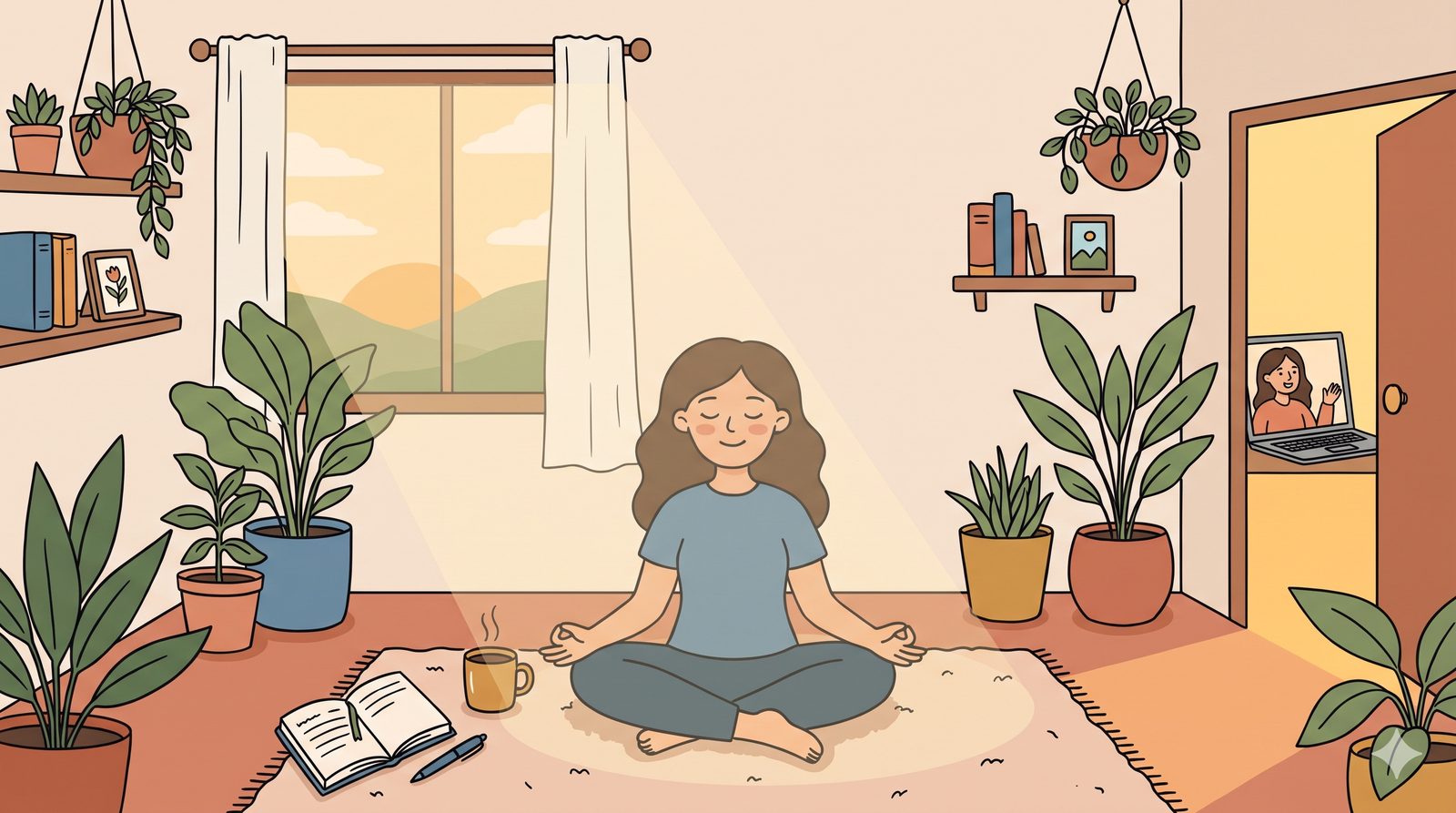
We track our steps, drink more water, and try to eat better. Most of us are reasonably good at looking after our bodies. The part we still skip is the quieter work of looking after our minds. This is the part that decides how we feel, how we show up for other people, and how we cope when things get hard.
Mental health isn't just some clinical term or the mere absence of an illness. It is essentially the foundation of how we feel, how we connect with people around us and how we handle the random curveballs life throws our way. It is a continuous journey of understanding ourselves and finding a judgment-free space to just be human.
Why the mind matters just as much as the body
Society has always praised physical fitness while treating emotional wellbeing like an afterthought. The truth is your mind and body are constantly talking to each other.
Some mornings even getting out of bed feels like an effort. You might have slept for eight hours yet waking up feels as though you haven't rested at all. A difficult conversation from the previous evening keeps replaying in your head while you are brushing your teeth or a work deadline follows you long after you've shut your laptop. Emotional exhaustion doesn't stay in your head. It shows up as tight shoulders, a short fuse, or sitting in front of an open laptop unable to write a simple email. Treating our mental wellbeing with the exact same urgency as our physical health is how we actually thrive instead of just surviving the week.
The quiet struggles we all face
None of us are immune to heavy days. Sometimes those heavy days turn into heavy seasons and it is important to recognize what that looks like in our daily lives.
Some people manage high-functioning anxiety. From the outside they look organised and productive. Inside they're constantly scanning for what could go wrong. You spend the week waiting for the weekend, then arrive on Saturday too drained to enjoy it. The default becomes lying on the sofa scrolling, which only makes the emptiness worse. Add in relationship stress, the pressure of people-pleasing and the daily grind and it is easy to see how burnout can quietly creep in and chip away at our peace.
Listening to what your mind is telling you
It is not always a dramatic breakdown that tells you something is wrong. Usually it's the quiet subtle things that act as red flags.
It is time to pause and check in with yourself if you catch yourself feeling strangely irritated when someone asks an innocent question after an exhausting day. Maybe you feel deeply lonely even when you are sitting in a room full of people. Sometimes it just feels like a lingering emptiness where you don't even have the motivation to do the bare minimum of your daily routine. These aren't personal failures. They are just your mind's way of asking for a breather and some actual support.
Small ways to show up for yourself
Building emotional resilience doesn't mean you have to change your entire life overnight. It is more about small daily acts of self-compassion that slowly build up your emotional baseline.
If you find yourself overthinking try some simple grounding techniques to bring your focus back to the present moment. Take a hard look at your digital environment and set boundaries on social media so you aren't carrying the weight of the world on your shoulders every time you unlock your phone. Even small things like writing down your messy thoughts in a journal or taking a short walk can help untangle a lot of that mental chaos. Just remember to be patient with yourself while you figure it out.
When it's time to let someone help
There is this lingering misconception that you only need therapy if your life is completely falling apart. Honestly no concern is ever too small to bring to a professional.
If things feel too heavy to carry alone, reaching out is one of the bravest things you can do. Whether you choose online counseling from your couch or decide to see a clinical psychologist in person, finding a safe space to talk can change everything. Affordable therapy is becoming much more accessible today through different platforms so it is easier to find the right fit for your needs and budget.
Prioritizing your mind is the best investment you will ever make. It is always okay not to be okay and you really don't have to walk the journey by yourself.